

The iodine window.
Enough free iodine to kill bacteria, biofilm, viruses and fungi — below the level that harms the keratinocytes and fibroblasts that close the wound. IothaFoam is engineered to hold the wound inside that window, for days.
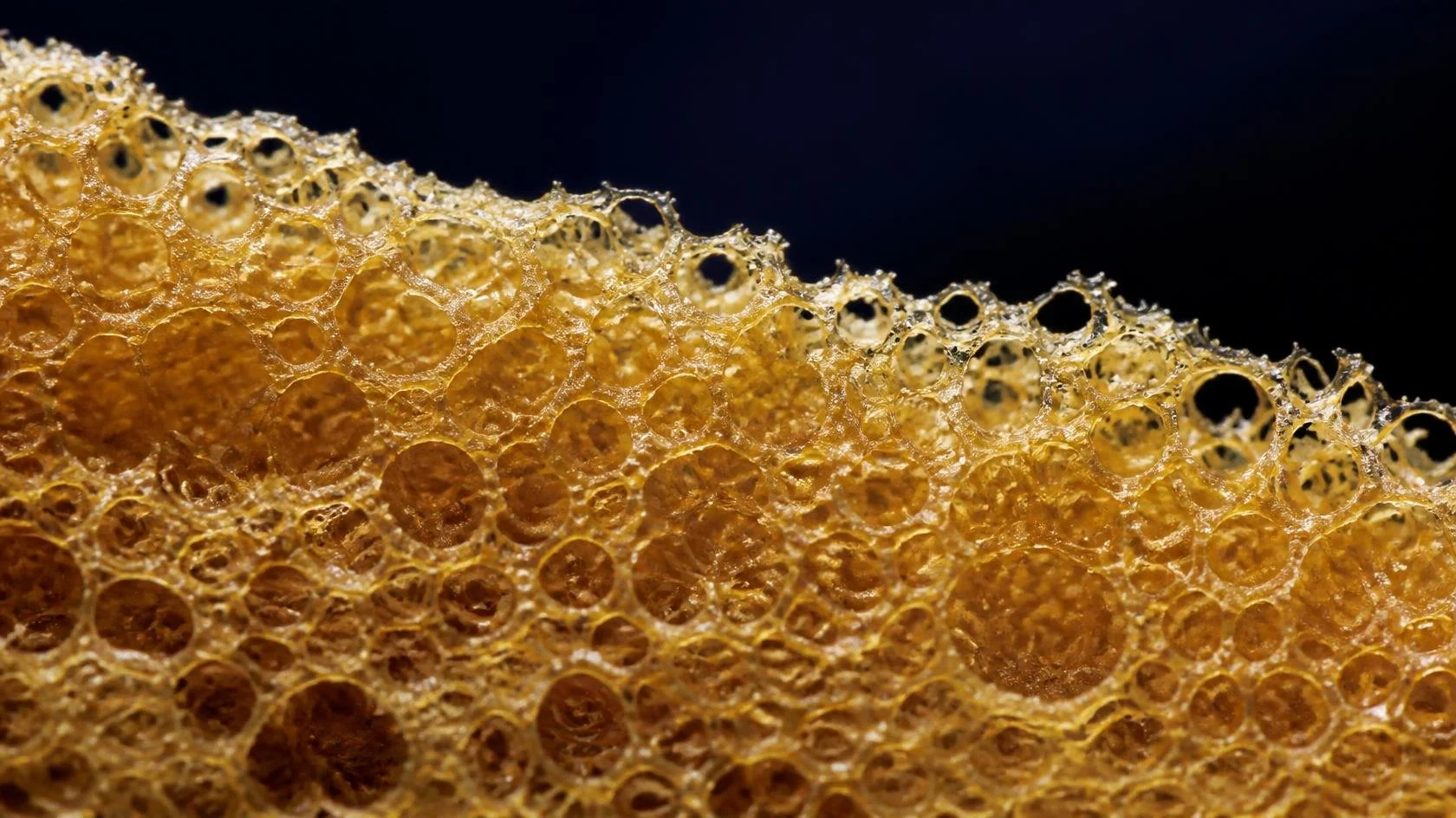
How it works, in three steps.
Medical polyurethane open-cell foam, laminated to a breathable film, holds iodine in its cells. Supplied moist in a sealed pouch; cut to size and used like any foam dressing.
Iodine moves from the foam into the wound bed at a controlled rate — enough to act on biofilm, low enough to spare healing tissue. Days between changes, not hours.
Iodine attacks multiple targets at once, so the resistance and cytotoxicity problems that limit silver do not apply.
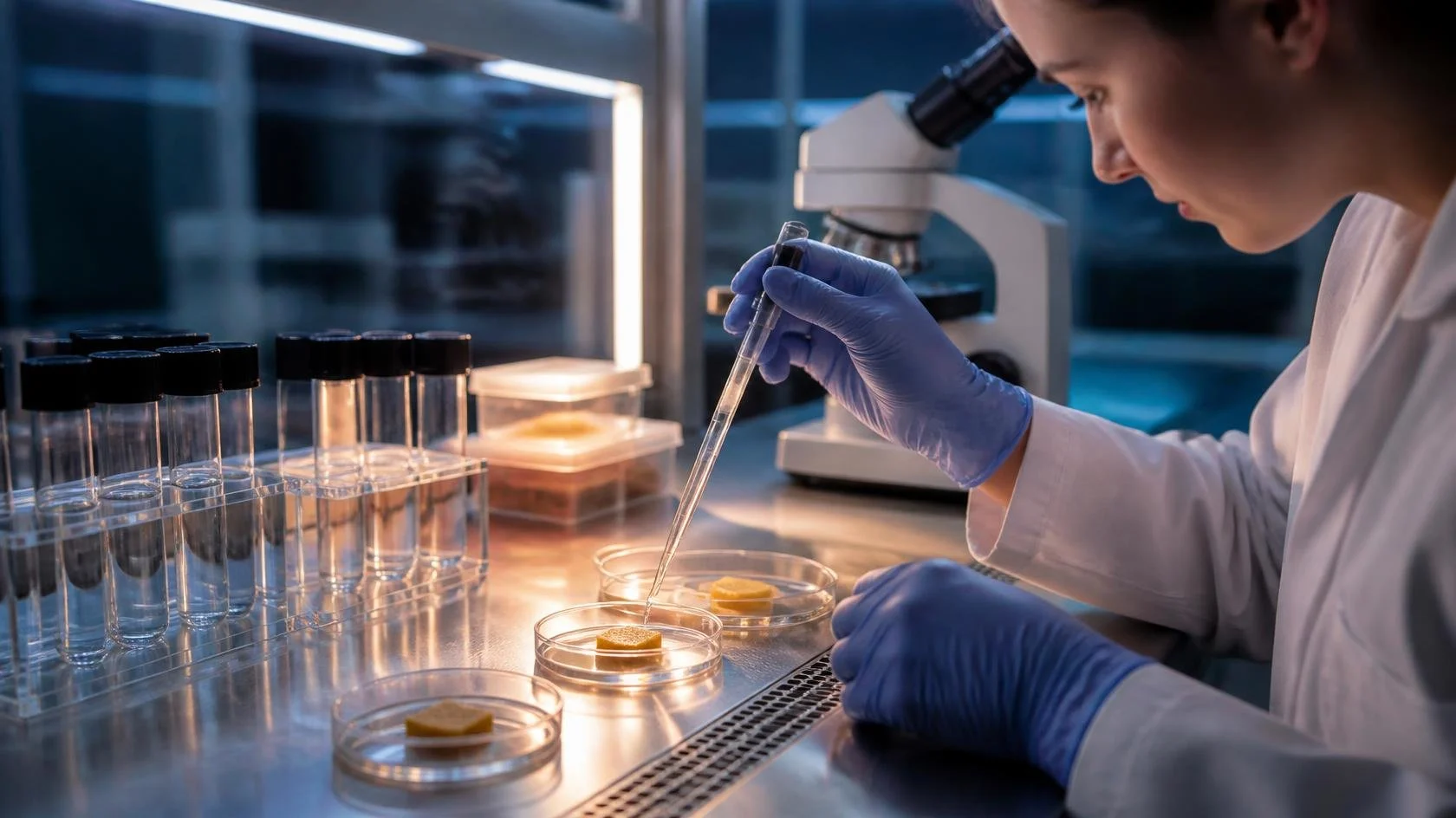
There is a window where iodine kills bacteria and spares the cells that heal.
Below it, iodine does too little. Above it, it harms tissue. Nobody had built a dressing that stays inside the window for days.
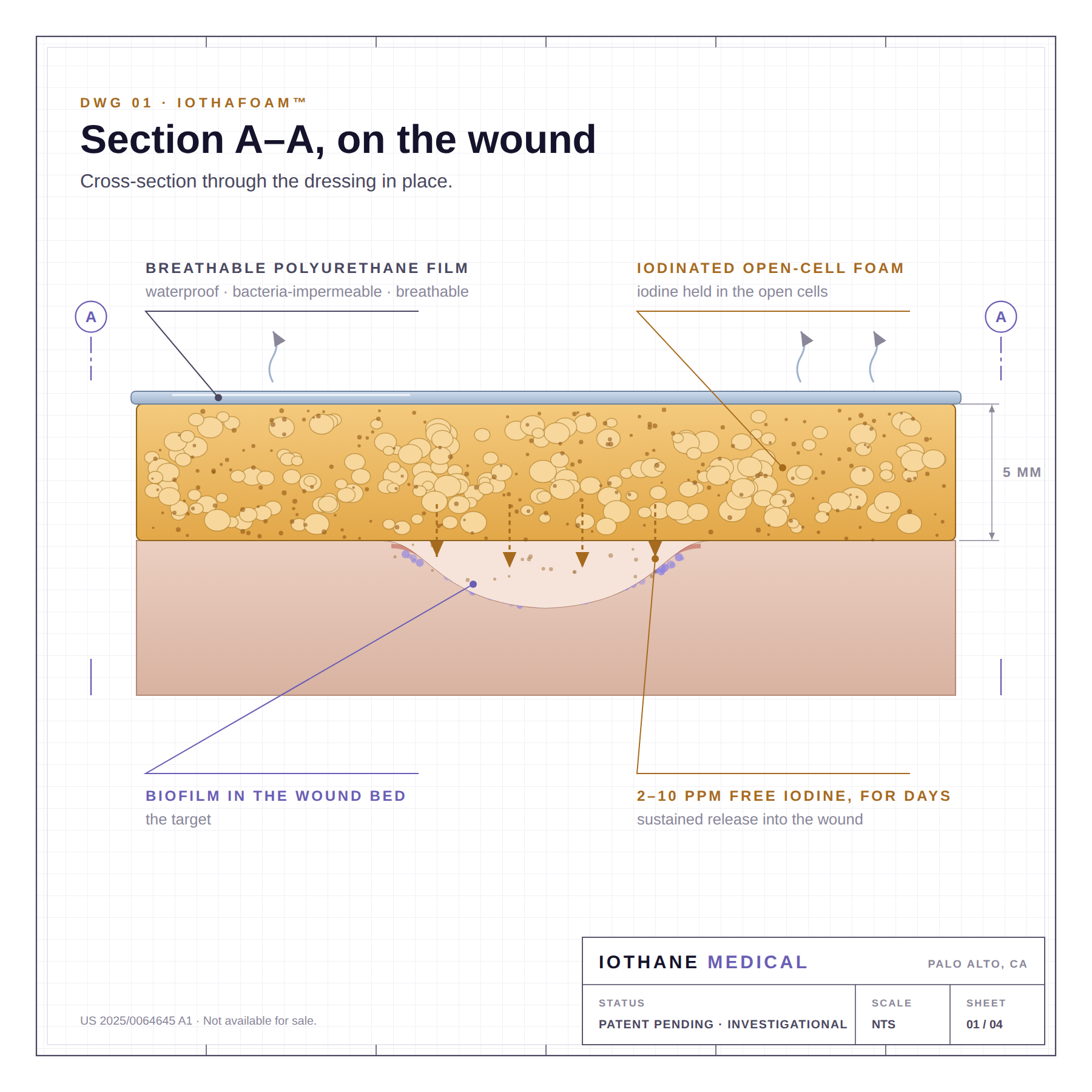
Built for the wound bed, where biofilm lives.
The breathable polyurethane film keeps the wound moist and blocks outside bacteria. Beneath it, the iodinated foam sits directly on the wound bed and releases iodine into it.
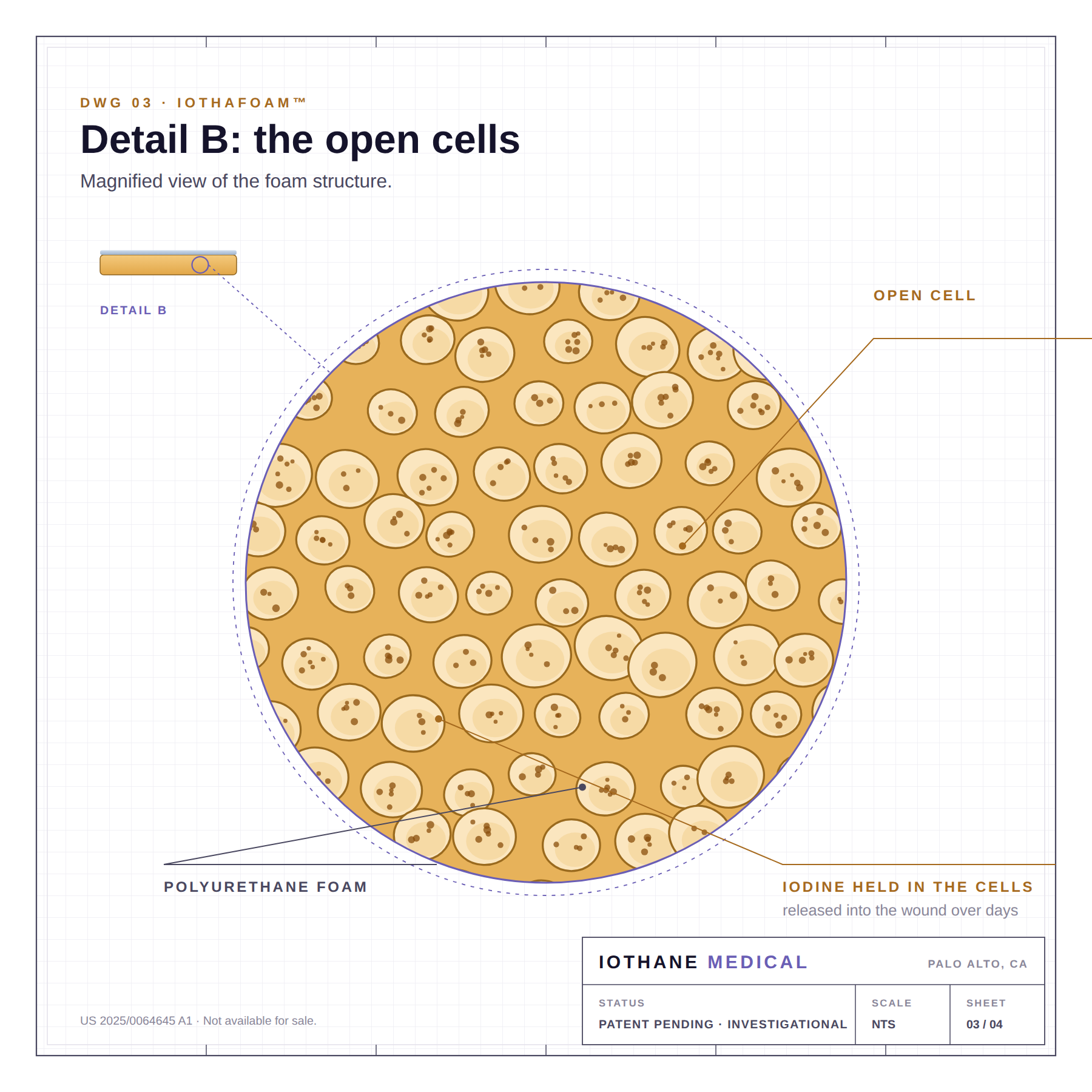
Iodine held in open cells.
The foam's open-cell structure is what lets IothaFoam store iodine and release it over days, rather than dumping it at application.
Everyone else trades one for the other.
| Silver | Povidone-iodine | Plain foam | IothaFoam | |
|---|---|---|---|---|
| Established biofilm | Weak | Too little free iodine to reach it | Not addressed | Designed to clear it |
| Healing cells | Toxic to keratinocytes and fibroblasts | Harsh at high concentration | Gentle | Release held below the level that harms them |
| Resistance | Now documented | None documented | — | No documented acquired resistance |
| Duration | Days | Short-lived | Days | Days between changes, not hours |
Decades of iodine–polyurethane science.
Patent pending: US 2025/0064645 A1, the iodine-window dressing.
Prior work: the founder's earlier iodine–polyurethane patents, and published research on self-sterilizing plastics formed by complexing polyurethane and iodine (LeVeen et al., Surgery, Gynecology & Obstetrics, 1993).
In progress: a catheter application on the same platform.